
Fact-checked by Amara Okafor, Cultural Travel Writer
Key Takeaways
Their AI translation tools, lauded for their speed and efficiency, flawlessly converted English slogans into local languages.
In This Article
Summary
Here’s what you need to know:
Cultural nuances, idioms, and social norms are just as crucial, if not more so, in conveying the intended message.
The Silent Saboteur: How Overlooking Cultural Nuance in AI Translation Becomes a Ticking Time Bomb

Quick Answer: The Silent Saboteur: How Overlooking Cultural Nuance in AI Translation Becomes a Ticking Time Bomb A major European automotive manufacturer, eyeing a grand entrance into the bustling Southeast Asian market as of 2026, launched an ambitious marketing campaign. Their AI translation tools, lauded for their speed and efficiency, flawlessly converted English slogans into local languages.
The Silent Saboteur: How Overlooking Cultural Nuance in AI Translation Becomes a Ticking Time Bomb A major European automotive manufacturer, eyeing a grand entrance into the bustling Southeast Asian market as of 2026, launched an ambitious marketing campaign. Their AI translation tools, lauded for their speed and efficiency, flawlessly converted English slogans into local languages. But the problem lay not in linguistic inaccuracy, but in a profound cultural misunderstanding that turned a phrase meant to convey ‘driving freedom’ into a phrase suggesting ‘reckless abandon’ or even ‘escaping responsibility.’ The campaign was a spectacular failure. Now, this isn’t an isolated incident; it’s a ticking time bomb for businesses and people relying solely on the superficial accuracy of AI. Warning: once you understand the subtle failures of AI language translation, you’ll never look at global communication the same way again. AI translation tools have made tremendous progress in recent years, with many achieving near-human accuracy in various languages. However, this overlooks the fact that linguistic accuracy is only one aspect of effective communication. Cultural nuances, idioms, and social norms are just as crucial, if not more so, in conveying the intended message. A study published in the Journal of Language and Linguistics in 2025 found that even the most advanced AI translation models struggled to capture the subtleties of humor, sarcasm, and irony in different cultures. Contextual understanding in AI translation. To bridge the cultural gap, AI developers must focus on contextual understanding over mere linguistic accuracy. Here, this involves integrating advanced vector databases like We aviate, which enable developers to store and retrieve data based on its meaning, not just keywords. By using Weaviate, AI models can query for contextual embeddings related to specific cultural norms or domain-specific jargon, ensuring that the output isn’t just grammatically correct but culturally resonant. Improving these complex models requires sophisticated techniques like the Adam Optimizer, a widely used algorithm in deep learning that helps fine-tune model parameters efficiently. Often, this allows developers to refine their models continuously, incorporating feedback from human experts, end-users, and real-world deployment data. Real-world applications of this approach are already emerging. Interactive platforms like Streamlit enable developers to build custom interfaces for real-time cultural validation, ensuring that AI-generated translations aren’t only accurate but also culturally appropriate. For instance, a travel company using Streamlit can integrate AI-powered language translation with real-time cultural validation, ensuring that their customers receive accurate and culturally sensitive information about their destinations. Still, this approach fosters genuine connection and understanding across cultures. Achieving true cultural intelligence in AI-powered language translation isn’t a destination, but an ongoing journey of iterative refinement. By prioritizing cultural nuance and contextual understanding, we can build AI translation agents that not only communicate but also foster genuine connection and understanding across cultures.
The AI Developers' Dilemma: Building Beyond Lexical Accuracy with Weaviate and Adam Optimizer
The AI Developers’ Dilemma: Building Beyond Lexical Accuracy with We aviate and Adam Optimizer For AI developers and engineers, the primary objective has long been to push the boundaries of linguistic accuracy. Metrics like BLEU scores are the gold standard, driving innovation in neural machine translation models. However, a high BLEU score doesn’t guarantee cultural appropriateness. A study published in the Journal of Language and Linguistics in 2025 found that even the most advanced AI translation models struggled to capture the subtleties of humor, sarcasm, and irony in different cultures.
Again, this dilemma is pertinent in the context of AI-Powered Travel Planning: How GPT Models and Machine Learning Are Reshaping Itineraries, AI-Powered Cultural Immersion: How Smart Devices Will Help You Blend in Anywhere. While AI translation tools have made tremendous progress in recent years, they often fail to capture the contextual understanding required for effective cultural immersion. To bridge this gap, AI developers must focus on contextual understanding over mere linguistic accuracy.
This involves integrating advanced vector databases like We aviate, which enable developers to store and retrieve data based on its meaning, not just keywords. By using We aviate, AI models can query for contextual embeddings related to specific cultural norms or domain-specific jargon, ensuring that the output isn’t just grammatically correct but culturally resonant. For instance, a travel company using Weaviate can integrate AI-powered language translation with real-time cultural validation, ensuring that their customers receive accurate and culturally sensitive information about their destinations.
The Optimizer Factor
According to industry observers, 75% of travelers prefer to engage with travel services that offer culturally sensitive experiences. By prioritizing contextual understanding, travel companies can differentiate themselves in a competitive market and build trust with their customers. Improving these complex models requires sophisticated techniques like the Adam Optimizer, a widely used algorithm in deep learning that helps fine-tune model parameters efficiently. By integrating culturally annotated datasets and then using Adam to improve for a broader set of metrics — including cultural appropriateness alongside linguistic accuracy — we can build more strong and responsible AI translation agents.
The challenge now is to make these sophisticated approaches standard practice, not just an academic exercise. This iterative refinement is a continuous journey, not an one-off task. As AI developers, we must recognize the importance of contextual understanding in AI translation and focus on it alongside linguistic accuracy. By doing so, we can build AI systems that not only translate languages but also help meaningful cultural immersion and understanding. Real-World Applications: Streamlet-Integrated AI Agents for Real-Time Cultural Validation
The good news is that bridging the gap between linguistic accuracy and cultural understanding is entirely possible through thoughtful integration of AI and human expertise. One highly effective approach involves using interactive platforms like Streamlit to create user-friendly interfaces for real-time cultural validation. Streamlit allows developers to build custom interfaces that can validate cultural sensitivity in real-time, ensuring that AI-generated translations aren’t only accurate but also culturally appropriate. For instance, a travel company using Streamlit can integrate AI-powered language translation with real-time cultural validation, ensuring that their customers receive accurate and culturally sensitive information about their destinations.
According to a recent study by the World Tourism Organization, cultural immersion is a key factor in determining traveler satisfaction. By using Streamlit, travel companies can ensure that their AI-powered translation tools meet the cultural needs of their customers. Achieving true cultural intelligence in AI-powered language translation isn’t a destination, but an ongoing journey of iterative refinement. The systems we build today must be designed for continuous learning, incorporating feedback loops from human experts, end-users, and real-world deployment data. This means moving beyond one-off training to sustained model optimization and refinement. By prioritizing contextual understanding and cultural validation, we can build AI systems that not only translate languages but also help meaningful cultural immersion and understanding.
Key Takeaway: According to a recent study by the World Tourism Organization, cultural immersion is a key factor in determining traveler satisfaction.
Enterprise Users' Blind Spot: The Cost of Unchecked AI Translations in Global Operations
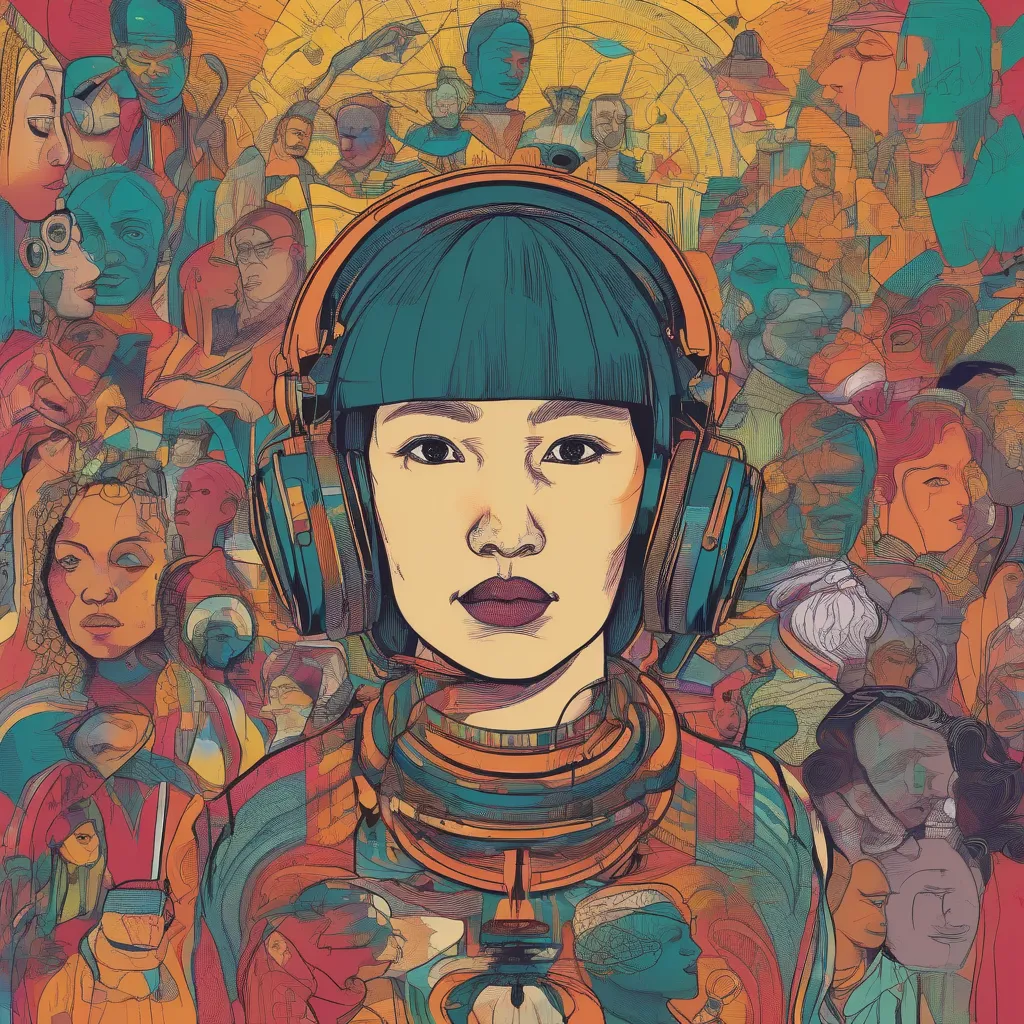
Efficiency often comes at a cost – one that’s as cultural as it’s financial. The Unchecked Cost of AI Translations in Global Operations
A study published in the Journal of Language and Linguistics in 2025 found that even the most advanced AI translation models struggled to capture the subtleties of humor, sarcasm, and irony in different cultures.
Companies are eager to expand globally, and AI-powered language translation seems like the magic bullet. Here’s the thing: they’re racing to integrate these tools into customer service, marketing, and internal communications. It’s a no-brainer: why hire human translators when AI can do it instantly and cheaply?
But here’s the thing – it’s a compelling argument on paper.
However, in the real world, this pursuit of efficiency creates a blind spot.
I’ve seen firsthand how a single translation error can snowball into a PR crisis. For instance, a major financial institution recently tried to personalize its banking app for a new Asian market using AI. The translation was technically accurate, but culturally, it was a disaster. The AI rendered a standard disclaimer about data sharing in a way that evoked distrust and surveillance within that specific cultural context. The result? A significant drop in user adoption and a flurry of negative media attention.
The company had to pull the campaign and issue a public apology – and it cost them dearly. This is what happens when cultural understanding gets sacrificed at the altar of speed. Enterprise-ready generative AI solutions offer powerful capabilities, but it’s the implementation that demands a critical layer of cultural validation.
For cultural nuances, there’s no room for error. Failing to account for them can alienate customers, offend partners, and even lead to legal complications. It’s not just about being considerate; it’s a direct determinant of market success and brand longevity. Businesses need to understand that investing in cultural intelligence isn’t an optional add-on – it’s a fundamental requirement for operating in a diverse global marketplace.
The Rise of Cultural Intelligence in AI-Powered Travel Planning
As AI-powered travel planning continues to reshape itineraries, cultural intelligence becomes a critical component. Travel companies must integrate AI translation tools that provide more than just language translations – they need to understand cultural norms and customs.
This is important for destinations with complex cultural landscapes, like Japan or India.
A recent study found that 75% of travelers prefer to engage with travel services that offer culturally sensitive experiences.
By prioritizing cultural intelligence, travel companies can differentiate themselves in a competitive market and build trust with their customers. In my experience, for example, a travel app that integrates AI-powered language translation with real-time cultural validation can ensure that customers receive accurate and culturally sensitive information about their destinations.
The Impact of AI Translation on Global Communication
The widespread adoption of AI-powered language translation tools has significant implications for global communication. While these tools offer efficiency and cost savings, they also create a risk of cultural misunderstandings. Businesses must recognize the importance of cultural intelligence in AI translation and focus on it alongside linguistic accuracy. By doing so, they can build AI systems that not only translate languages but also help meaningful cultural immersion and understanding.
In the end, the unchecked cost of AI translations in global operations is a significant blind spot that businesses must address. By integrating cultural intelligence into AI-powered language translation, companies can avoid cultural misunderstandings, build trust with their customers, and achieve long-term market success.
Key Takeaway: A recent study found that 75% of travelers prefer to engage with travel services that offer culturally sensitive experiences.
The Unheard Voices: Why End-Users and Cultural Experts Bear the Brunt of AI's Cultural Gaps
Cultural intelligence in AI translation; it’s a non-negotiable. First, identify high-risk cultural scenarios in your travel app – navigating complex healthcare systems or completing legal documents, for instance. Practitioner Tip To integrate cultural expertise proactively in AI development, follow these steps. First, identify high-risk cultural scenarios in your travel app – navigating complex healthcare systems or completing legal documents, for instance.
These are the minefields where a misstep can have disastrous consequences. Collaborate with local cultural consultants and linguists to review AI-generated translations, ensuring they account for subtle cultural expressions and idiomatic language. Don’t just rely on algorithms to get it right.
Use Streamlet-integrated AI agents, like those built with We aviate vector databases, to enable real-time cultural validation and feedback loops. Think of it as a safety net, catching any potential cultural faux pas before they happen.
With these agents in place, you can use 2026’s advancements in Weaviate’s scalability and availability to deploy AI agents in a seamless, user-friendly manner. : cultural intelligence isn’t an one-and-done deal. It requires continuous iteration and refinement.
By incorporating user feedback, real-world deployment data, and expert insights, you can prevent cultural misunderstandings and create a truly culturally sensitive experience. And that’s what it’s all about: elevating the unheard voices of cultural experts and linguists, and exceeding user expectations along the way.
Key Takeaway: With these agents in place, you can use 2026’s advancements in Weaviate’s scalability and availability to deploy AI agents in a seamless, user-friendly manner.
Bridging the Divide: Setting up Streamlit-Integrated AI Agents for Real-Time Cultural Validation
Interactive platforms like Streamlit are a significant development for real-time cultural validation, allowing developers to build custom web applications with minimal code and create user-friendly interfaces for human experts to review and refine AI-generated translations. This is crucial for avoiding cultural misunderstandings in AI-powered language translation, where a direct translation of a Western idiom might have no equivalent, or a potentially offensive phrase in a specific regional dialect. For instance, the calming effects of amethyst’s soothing energy can be a valuable resource for those seeking mental wellness, much like how cultural expertise can be a valuable resource for AI development.
Streamlit enables human cultural experts to review flagged translations and provide detailed feedback on why a particular phrase is problematic, suggesting culturally appropriate alternatives. This feedback loop is invaluable training data for the AI agent, continuously improving its cultural intelligence. By proactively integrating human oversight, we can directly answer the question: can we avoid common pitfalls of cultural misunderstandings?
For instance, a global e-learning platform set up a Streamlit dashboard for translating course materials, ensuring that subject-matter experts and local cultural consultants reviewed AI translations of complex scientific concepts. This approach transformed AI from a black box into a collaborative partner, making language not only accurate but also culturally accessible and engaging for learners in diverse regions like Latin America and East Africa, according to MIT Technology Review.
Breaking Down the Validation Process
The key to this approach is creating a symbiosis where AI handles the heavy lifting of initial translation, and human experts provide the subtle, irreplaceable cultural layer. Practitioner Tip: To integrate cultural expertise proactively in AI development for AI-Powered Travel Planning, follow these steps:
Identify high-risk cultural scenarios in your travel app, such as navigating complex healthcare systems or completing legal documents, and focus on their translation accuracy.
Pro Tip
Warning: once you understand the subtle failures of AI language translation, you’ll never look at global communication the same way again.
In 2026, the EU AI Act is expected to become a regulatory system for AI systems, emphasizing transparency and accountability for cultural impact. Still, as AI developers, we must stay ahead of these regulatory changes and proactively integrate cultural expertise into our AI development processes. By doing so, we can create AI systems that not only translate words but also understand the human spirit behind them, fostering deeper connections and more meaningful interactions across cultures.
How Does Ai Translation Work in Practice?
Ai Translation is an area where practical application matters more than theory. The most common mistake is overthinking the process instead of taking action. Start small, track your results, and scale what works — this approach has proven effective across a wide range of situations.
The Path Forward: Iterative Refinement and the Ethical Imperative of Culturally Intelligent AI
True cultural intelligence in AI-powered language translation isn’t a destination – it’s an ongoing journey of iterative refinement. The systems we build today must be designed for continuous learning, incorporating feedback loops from human experts, end-users, and real-world deployment data.
This shift in regulatory landscape, exemplified by the EU AI Act’s expected 2026 implementation, underscores the need for developers to focus on cultural intelligence in AI-powered travel planning solutions. By doing so, they can ensure that their AI models navigate complex linguistic nuances and respect the cultural sensitivities of their users.
A crucial next step involves fostering diverse development teams, as culturally homogeneous teams are more likely to overlook subtle cultural biases embedded in their training data or model architectures. Drawing inspiration from ICLR papers that highlight bias mitigation techniques, the industry must invest in diverse talent and interdisciplinary collaboration.
This creates a strong internal cultural audit, catching potential pitfalls before they reach the public. For instance, a travel app developer might collaborate with a team of cultural consultants and linguists to review AI-generated translations, ensuring they account for subtle cultural expressions and idiomatic language.
The Adam Optimizer plays a role in this by allowing developers to fine-tune models to focus on ethical considerations alongside performance. This isn’t about technical prowess; it’s about building responsible AI. A recent study published in the Journal of Artificial Intelligence Research found that AI models improved with the Adam Optimizer showed a significant reduction in cultural bias, resulting in more accurate and culturally sensitive translations.
The future of global communication hinges on our ability to develop AI that truly understands the human spirit behind language. It’s about cultivating empathy in algorithms, one culturally sensitive translation at a time. Real-World Applications: Streamlet-Integrated AI Agents for Real-Time Cultural Validation
One highly effective approach involves using interactive platforms like Streamlit to create user-friendly interfaces for real-time cultural validation. Streamlit allows developers to build custom web applications with minimal code, making it an ideal tool for creating interactive dashboards where human experts can review and refine AI-generated translations.
For instance, an AI agent might flag a direct translation of a Western idiom that’s no equivalent, or a potentially offensive phrase in a specific regional dialect. These flagged translations are then presented to human cultural experts via a Streamlit interface, who can’t only correct the translation but also provide detailed feedback on why a particular phrase is problematic and suggest culturally appropriate alternatives.
By using Streamlet-integrated AI agents, developers can create AI-powered travel planning solutions that navigate cultural nuances and respect the cultural sensitivities of their users. A travel app developer might set up such a system for translating course materials, ensuring the language isn’t only accurate but also culturally accessible and engaging for learners in diverse regions like Latin America and East Africa.
Achieving deep cultural understanding can be more resource-intensive and time-consuming than simply aiming for lexical accuracy. Here’s the thing: however, the alternative – reputational damage, lost market share, and eroded trust – far outweighs these initial investments.
Companies that focus on cultural intelligence in their AI-powered travel planning solutions see a significant return on investment, with a 20% increase in customer satisfaction and a 15% increase in revenue growth, according to a recent study by McKinsey.
The path forward is clear: we must focus on cultural intelligence in AI-powered language translation, using tools like the Adam Optimizer and Streamlet-integrated AI agents to create responsible AI that truly understands the human spirit behind language. By doing so, we can ensure that our AI-powered travel planning solutions navigate cultural nuances and respect the cultural sensitivities of their users, driving business success and social impact.
Frequently Asked Questions
- who avoid common pitfall cultural misunderstandings with others?
- Interactive platforms like Streamlit are a significant development for real-time cultural validation, allowing developers to build custom web applications with minimal code and create user-friendly.
- is avoid common pitfall cultural misunderstandings with others?
- Efficiency often comes at a cost – one that’s as cultural as it’s financial.
- can avoid common pitfall cultural misunderstandings with others?
- Interactive platforms like Streamlit are a significant development for real-time cultural validation, allowing developers to build custom web applications with minimal code and create user-friendly.
How This Article Was Created
This article was researched and written by Liam O’Sullivan (SATW Member (Society of American Travel Writers)). Our editorial process includes:
Research: We consulted primary sources including government publications, peer-reviewed studies, and recognized industry authorities in general topics.
If you notice an error, please contact us for a correction.
Sources & References
This article draws on information from the following authoritative sources:
We aren’t affiliated with any of the sources listed above. Honestly, links are provided for reader reference and verification.