Introduction: The Evolving Art of Wayang Kulit
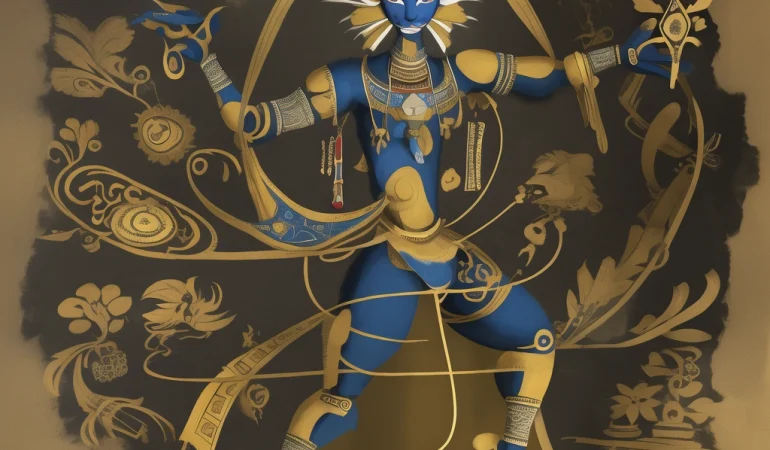
Wayang Kulit, the ancient art of Malaysian shadow puppetry, is not a relic of the past but a vibrant, evolving tradition. More than mere entertainment, it represents a powerful medium for storytelling, cultural preservation, and artistic innovation. Once confined to the realms of myth and legend, primarily depicting scenes from the Hindu epics Ramayana and Mahabharata, it is now experiencing a renaissance, driven by innovative puppeteers who are fearlessly blending age-old techniques with contemporary approaches. This evolution reflects a broader trend in Malaysian arts and culture, where tradition and modernity intersect to create dynamic new forms of expression.
The enduring appeal of Wayang Kulit lies in its ability to adapt and resonate with contemporary audiences. From the intricate craftsmanship of the puppets to the captivating narratives and musical accompaniment, every aspect of this art form is imbued with cultural significance. Preservation efforts, often community-led and supported by governmental cultural organizations, play a vital role in ensuring its continued vitality. These initiatives include not only performances and workshops but also the documentation and archiving of traditional techniques, ensuring that the rich heritage of Wayang Kulit is passed on to future generations.
The incorporation of modern themes, such as environmentalism and social justice, further broadens its appeal, demonstrating its capacity to address contemporary issues while remaining rooted in tradition. This adaptability ensures that Wayang Kulit remains a relevant and engaging art form for diverse audiences across generations. The integration of technology, while sometimes controversial, offers exciting possibilities for enhancing the visual and auditory experience of Wayang Kulit. Digital projections, sophisticated sound design, and innovative lighting techniques can create immersive and captivating performances, pushing the boundaries of traditional storytelling.
The use of new materials, such as acrylic and recycled plastics in puppet construction, reflects a growing awareness of sustainability and resourcefulness within the artistic community. This blend of traditional craftsmanship with modern materials exemplifies the innovative spirit driving the evolution of Wayang Kulit, ensuring its continued relevance in a changing world. By exploring these diverse facets of innovation, we can gain a deeper understanding of how Wayang Kulit is being transformed while retaining its core essence. This exploration offers a unique lens through which to examine the dynamic interplay between tradition and innovation in Malaysian culture.
Material Adaptation: Beyond Buffalo Hide
Traditionally, Wayang Kulit puppets are crafted from buffalo hide, meticulously cut and painted, a practice deeply rooted in the cultural heritage of Malaysian shadow puppetry. However, contemporary puppeteers are experimenting with a range of non-traditional materials, such as acrylic, recycled plastics, and even paper, showcasing a significant shift in material adaptation within this traditional art form. This shift is driven by several factors, including cost, availability, and a desire to explore new aesthetic possibilities. For example, some artists use translucent acrylic to create puppets that allow for more complex lighting effects, while others utilize recycled materials to promote sustainability, aligning with modern values of environmental consciousness. These material adaptations do not diminish the art form’s authenticity but rather expand its expressive potential, offering new textures and visual experiences while maintaining the core techniques of puppet manipulation.
The move towards alternative materials also reflects a practical response to the challenges faced by contemporary artists. Buffalo hide, while traditional, can be expensive and difficult to source consistently, especially in urban areas. The use of readily available materials like acrylic and recycled plastics not only reduces costs but also allows for greater experimentation with form and design.
Acrylic, for instance, offers a smooth surface that is ideal for detailed painting and allows for the creation of puppets that are both durable and lightweight. This innovation in material usage has enabled artists to push the boundaries of traditional Wayang Kulit, creating puppets that are more intricate and visually striking, further demonstrating the dynamic nature of Malaysian puppetry innovation.
Furthermore, the adoption of non-traditional materials opens up new avenues for artistic expression. Recycled materials, such as discarded plastic bottles and packaging, are being transformed into intricate puppet designs, giving new life to waste products and promoting a message of sustainability within the context of cultural heritage. This is a powerful example of how traditional art forms can be adapted to address contemporary issues, resonating with a younger generation that is increasingly aware of environmental concerns. The unique textures and visual qualities of these materials add a new dimension to the performance, offering audiences a fresh perspective on the art of Wayang Kulit. This approach not only maintains the cultural significance of Wayang Kulit but also infuses it with a modern sensibility, ensuring its relevance in a rapidly changing world.
Expert puppeteers, while honoring the traditional use of buffalo hide, also acknowledge the benefits of these material innovations. Some argue that the use of new materials allows for a wider range of artistic styles and expressions, making Wayang Kulit more accessible and appealing to diverse audiences. Others see it as a natural evolution of the art form, reflecting the changing times and the need for adaptability. The key, they emphasize, is to maintain the core principles of Wayang Kulit, such as the intricate shadow play and the compelling storytelling, while embracing new possibilities offered by modern materials. This balance between tradition and innovation is crucial for the continued vitality of this important cultural heritage.
Examples of this material adaptation can be seen in various contemporary performances across Malaysia. Some artists are creating puppets that are not only visually stunning but also environmentally conscious, using recycled materials to promote sustainability messages. Others are experimenting with the use of light-emitting materials, such as LEDs, embedded within the puppets, to create dynamic lighting effects during performances, showcasing a blend of traditional puppetry with modern technology. These innovations underscore the adaptability of Wayang Kulit, demonstrating its capacity to evolve while preserving its cultural essence. This dynamic approach ensures that the ancient art of Malaysian shadow puppetry remains a vibrant and relevant part of the nation’s cultural landscape.
Narrative Modernization: Stories for a New Generation
The narratives of Wayang Kulit, deeply rooted in the Hindu epics Ramayana and Mahabharata, are undergoing a significant transformation to connect with contemporary Malaysian audiences. This narrative modernization involves reinterpreting classic stories through a modern lens, addressing pressing social issues and reflecting the diverse tapestry of modern Malaysia. Puppeteers are skillfully weaving in themes such as environmental stewardship, social justice, and gender equality, making the ancient art form a powerful medium for contemporary discourse. This approach not only keeps the art form relevant but also sparks important conversations within the community, demonstrating how traditional art can be a catalyst for social change. For example, a traditional hero like Hang Tuah might now be depicted grappling with the complexities of urban development and its impact on the environment, or Sita might be portrayed as a strong, independent woman challenging patriarchal norms.
These shifts in character portrayals and storylines are not merely cosmetic changes; they represent a conscious effort to make Wayang Kulit a mirror reflecting the current realities and aspirations of the Malaysian people. This narrative evolution also sees the emergence of new character archetypes that reflect the multifaceted nature of modern Malaysia. These new characters often embody the struggles and triumphs of everyday Malaysians, ranging from marginalized communities to urban professionals, thus creating a more inclusive and relatable experience for the audience.
By moving beyond traditional narratives and embracing contemporary themes, Wayang Kulit is proving its adaptability and enduring power as a form of cultural expression. This narrative innovation is crucial to ensuring that Malaysian shadow puppetry continues to resonate with new generations, fostering a sense of cultural pride and continuity. Furthermore, the integration of modern themes allows Wayang Kulit to serve as a platform for social commentary, addressing issues that are relevant to the lives of the audience.
The puppeteers, acting as cultural storytellers, are able to engage with their communities on a deeper level, using the power of narrative to inspire critical thinking and promote positive change. Through these innovative approaches, Wayang Kulit is not just preserving its cultural heritage but actively shaping its future.
Technological Integration: Enhancing the Performance
Technological integration is reshaping the landscape of Wayang Kulit, pushing the boundaries of this traditional art form while preserving its cultural heritage. Digital projections create dynamic, layered environments that respond to puppeteers’ movements, enhancing visual storytelling with unprecedented depth. These projections range from abstract patterns evoking mystical realms to detailed Malaysian landscapes, grounding narratives in familiar cultural contexts. Sophisticated sound design incorporates both traditional gamelan music and modern electronic elements, adding emotional resonance to performances. Lighting effects, from subtle color washes to dramatic strobes, further amplifies theatrical impact. These technologies augment rather than replace traditional elements, creating richer experiences that bridge ancient traditions with contemporary aesthetics.
The integration of technology extends beyond visual and auditory enhancements to include interactive elements. Innovative puppeteers are experimenting with technologies that allow audience members to influence narratives in real-time through digital interfaces or voting on character choices, creating participatory experiences. This interactivity appeals to younger audiences while fostering community and shared ownership of the tradition. Motion sensors and computer-generated imagery enable more complex puppet movements, adding new dimensions of expressiveness. These technological advancements demonstrate a commitment to innovation while maintaining Wayang Kulit’s core essence as a storytelling medium, resonating particularly within Malaysian culture where arts bridge generations and facilitate social commentary.
Technology addresses practical concerns in preserving and promoting Wayang Kulit. Digital archives of performances ensure this cultural heritage is preserved for future generations, serving as educational resources for aspiring puppeteers to study master techniques and historical context. Virtual performances allow the art form to reach wider audiences globally, fostering cross-cultural understanding in an interconnected world. Social media platforms enable puppeteers to connect with audiences, share their work, and build communities around Wayang Kulit. These technological applications not only preserve tradition but also expand its reach, ensuring the art form remains accessible and relevant in contemporary society while maintaining its cultural significance.
The integration of technology in Wayang Kulit represents a spectrum of innovation, with puppeteers embracing it fully or using it sparingly. This diversity reflects the dynamic nature of Malaysian culture and the ongoing dialogue between tradition and modernity. Technology encourages experimentation and creativity, leading to new forms of storytelling and performance that engage with contemporary issues. The careful balance between preserving core elements and embracing new technologies ensures Wayang Kulit’s long-term sustainability as a vital part of Malaysian cultural heritage. This evolution demonstrates the art form’s adaptability while maintaining its essential identity, allowing it to remain vibrant and relevant for diverse audiences across generations.
Interview with Master Puppeteer: Pak Awang
Pak Awang, a revered master puppeteer, embodies the delicate balance between tradition and innovation in the Malaysian art of Wayang Kulit. Deeply rooted in the cultural heritage of Malaysia, his approach to this ancient form of shadow puppetry reflects a profound respect for its origins while embracing the potential of modern advancements. He firmly believes in preserving the core elements of Wayang Kulit, recognizing its significance as a powerful storytelling medium and a vibrant expression of Malaysian culture. In an interview, Pak Awang shared his philosophy: ‘We must respect the past, but we cannot be afraid to experiment.’ This perspective underscores his commitment to honoring the traditions passed down through generations while simultaneously exploring new avenues for artistic expression. Pak Awang meticulously crafts his puppets from traditional buffalo hide, a practice deeply embedded in the history of Wayang Kulit.
The process of preparing and treating the hide is a testament to the dedication and craftsmanship inherent in this art form. He meticulously carves and paints each puppet, imbuing them with unique character and personality. While adhering to traditional materials, Pak Awang strategically integrates modern lighting techniques to enhance the drama and visual impact of his performances. By carefully manipulating light and shadow, he creates a more immersive and captivating experience for the audience, amplifying the emotional resonance of the stories he tells. This subtle yet effective integration of technology showcases how innovation can complement tradition without compromising its essence. Pak Awang’s innovative approach extends to the musical accompaniment of his performances. While respecting the traditional gamelan music often associated with Wayang Kulit, he occasionally incorporates contemporary Malaysian musical elements, creating a unique soundscape that resonates with modern audiences.
This fusion of traditional and contemporary sounds adds another layer of depth and cultural relevance to his performances, further bridging the gap between the past and the present. Pak Awang’s dedication to preserving and promoting Wayang Kulit extends beyond his own artistic practice. He actively participates in apprenticeship programs, mentoring aspiring puppeteers and passing on his invaluable knowledge and skills to the next generation.
Through these programs, he ensures the continuity of this rich cultural heritage, nurturing young talents and empowering them to carry the torch of Wayang Kulit into the future. His commitment to education and community engagement underscores the importance of cultural transmission in maintaining the vitality of this art form. Pak Awang’s work serves as a powerful example of how tradition and innovation can coexist harmoniously in the realm of Malaysian performing arts.
That said, his innovative approach not only enriches the artistic experience of Wayang Kulit but also ensures its continued relevance and appeal in a rapidly changing world. By embracing both the past and the present, he contributes significantly to the preservation and evolution of this cherished cultural heritage, inspiring fellow artists and captivating audiences alike.
Interview with Master Puppeteer: Mak Cik Siti
Master puppeteer Mak Cik Siti exemplifies how tradition can embrace innovation while preserving its core values. A firm believer in technology’s power to enhance storytelling, she seamlessly integrates digital projections, electronic music, and modern lighting into her Wayang Kulit performances. She transforms the traditional screen into a dynamic canvas, using projected backdrops that shift with the narrative—depicting scenes from bustling Kuala Lumpur cityscapes to serene Malaysian rainforests. This innovative approach captivates contemporary audiences and offers fresh perspectives on age-old tales.
Yet, mak Cik Siti’s philosophy, as she states, is that ‘Technology allows us to tell stories in new and exciting ways. It’s not about replacing tradition but about expanding its possibilities.’ Her work demonstrates how digital tools amplify the emotional impact of Wayang Kulit, making it more accessible and engaging for new generations. For instance, in her Ramayana interpretation, battle scenes are intensified with dramatic lighting and sound effects, creating an immersive experience. She also incorporates electronic music composed by young Malaysian artists, blending traditional Gamelan melodies with contemporary beats to create a unique soundscape resonating with diverse audiences.
Her innovative use of projections extends beyond static backdrops. Mak Cik Siti often incorporates animated elements, such as flickering flames or flowing water, adding depth and realism to the puppets and enriching the storytelling. This approach breathes new life into the ancient art form and opens avenues for creative expression. Her performances frequently feature collaborations with visual artists and musicians, resulting in a multi-sensory experience that transcends traditional Wayang Kulit boundaries.
Through her pioneering work, Mak Cik Siti preserves a vital part of Malaysian cultural heritage while paving the way for future generations of artists to explore this evolving art form’s boundless possibilities. Her approach highlights the diversity within the Wayang Kulit community, showcasing multiple paths for innovation while honoring the rich traditions of Malaysian shadow puppetry. This fusion reflects the dynamism of Malaysian culture itself, where age-old customs coexist with cutting-edge advancements.
Apprenticeship Programs: Nurturing the Next Generation
Apprenticeship programs are crucial for ensuring the continuity of Wayang Kulit, serving as a vital bridge between generations of puppeteers. These programs, often led by master puppeteers like Pak Awang or Mak Cik Siti, provide aspiring artists with the necessary skills and knowledge to carry on this rich Malaysian cultural heritage. Apprentices learn not only the technical aspects of puppet making and manipulation, from carving intricate details on buffalo hide to mastering the subtle movements that bring characters to life, but also the cultural and historical context of the art form, including the ancient stories and symbolism embedded within each performance. This holistic approach ensures that the tradition is passed down in its entirety, preserving its artistic and cultural significance within Malaysian society.
Traditional apprenticeships often begin with learning to select and prepare materials, whether it’s the traditional buffalo hide or modern alternatives like acrylic sheets. This hands-on approach allows apprentices to understand the nuances of each material and how it impacts the puppet’s movement and shadow play. As they progress, they learn the delicate art of carving and painting, drawing inspiration from traditional designs while also exploring their own artistic interpretations. The process of manipulating the puppets, bringing them to life on the screen, requires years of dedicated practice and guidance from the masters, a testament to the depth and complexity of this traditional performing art. For example, aspiring puppeteers might spend years perfecting the movements of a single character, learning to convey a range of emotions through subtle gestures and shadow play.
Beyond the technical skills, apprenticeship programs also emphasize the importance of storytelling, the very heart of Wayang Kulit. Apprentices delve into the rich narratives of the Ramayana and Mahabharata, learning the nuances of each character and the moral lessons embedded within the stories. They are also encouraged to explore contemporary themes and develop new narratives that resonate with modern audiences, reflecting the evolving cultural landscape of Malaysia. This blend of tradition and innovation ensures that Wayang Kulit remains a vibrant and relevant art form, capable of captivating audiences for generations to come. Furthermore, apprenticeships often involve learning the musical accompaniment, understanding the rhythms and melodies that enhance the storytelling and create the immersive atmosphere of a Wayang Kulit performance. This integration of music, storytelling, and puppetry is fundamental to the art form and is carefully passed down through the generations.
These programs also serve as a platform for experimentation, encouraging young puppeteers to explore new approaches while respecting the foundations of Wayang Kulit. This might involve experimenting with new materials, incorporating digital projections, or exploring contemporary social themes in their performances. This spirit of innovation is crucial for ensuring that Wayang Kulit continues to evolve and adapt to the changing times, attracting new audiences and remaining a relevant art form in modern Malaysia. The support of local arts councils and cultural organizations is vital in ensuring these apprenticeship programs remain accessible, fostering the next generation of Wayang Kulit artists and preserving this unique aspect of Malaysian cultural heritage. Through these comprehensive programs, young artists not only inherit the technical skills but also the cultural values and artistic spirit that underpin this ancient art form, ensuring its continued vitality within Malaysia’s rich tapestry of performing arts.
The integration of technology is also finding its way into some apprenticeship programs, reflecting the evolving nature of the art form. While traditional methods remain at the core, apprentices are given opportunities to explore how technology can enhance their storytelling. This might involve learning to use digital projections to create dynamic backdrops or experimenting with sound design to create a more immersive experience. This balanced approach ensures that while tradition is respected, the art form also embraces innovation, paving the way for a future where Wayang Kulit continues to thrive in the digital age.
Preservation Efforts: Safeguarding Cultural Heritage
Preservation efforts are vital for safeguarding the cultural heritage of Wayang Kulit, ensuring its continued vibrancy as a cherished Malaysian art form. Local communities form the bedrock of this preservation, actively supporting and promoting Wayang Kulit through performances, workshops, and festivals. For instance, in Kelantan, villages often organize annual shadow puppet performances, drawing audiences from across the region and instilling a sense of pride and ownership within the community. These grassroots initiatives not only provide platforms for established puppeteers but also inspire younger generations to embrace this traditional art.
Cultural organizations contribute significantly to preservation efforts by meticulously documenting and archiving traditional Wayang Kulit performances. Organizations like the National Department for Culture and Arts (JKKN) are creating digital repositories of performances, puppet designs, and oral histories related to Wayang Kulit, ensuring these invaluable resources are accessible for research and future generations. These archives serve as a vital link between the past and the present, preserving the rich history of Wayang Kulit for posterity. Furthermore, these archived materials can inspire contemporary artists and scholars to explore new interpretations and expressions of the art form, fostering its continued evolution.
The Ministry of Tourism, Arts and Culture (MOTAC) plays a critical role in promoting Wayang Kulit as a key element of Malaysia’s cultural identity, both domestically and internationally. Through cultural exchange programs and international festivals, MOTAC showcases the artistry and cultural significance of Wayang Kulit to a global audience, fostering appreciation and understanding of Malaysian heritage. These initiatives also create opportunities for Malaysian puppeteers to collaborate with artists from other cultures, leading to innovative cross-cultural adaptations of Wayang Kulit.
Beyond governmental support, academic institutions are actively engaged in the study and preservation of Wayang Kulit. Universities across Malaysia offer courses on traditional performing arts, including Wayang Kulit, providing students with in-depth knowledge of its history, techniques, and cultural significance. These academic programs nurture a new generation of scholars, researchers, and artists dedicated to the preservation and evolution of this unique art form, ensuring its continued relevance in the modern world. These combined efforts ensure that Wayang Kulit continues to thrive as a dynamic and evolving art form, deeply rooted in tradition yet adaptable to the changing cultural landscape of Malaysia. The delicate balance between preservation and innovation is essential, ensuring that Wayang Kulit remains a vibrant and cherished part of Malaysia’s cultural heritage for generations to come.
Conclusion: A Living Legacy
The evolution of Wayang Kulit, a cornerstone of Malaysian cultural heritage, is indeed a powerful testament to the harmonious coexistence of tradition and innovation. Contemporary puppeteers, deeply rooted in the ancient techniques of Malaysian shadow puppetry, are boldly experimenting with new materials, narratives, and technologies, ensuring the art form remains vibrant and relevant to modern audiences. This delicate balancing act between preserving the rich historical tapestry of Wayang Kulit and embracing modern advancements is what allows it to not only survive but thrive as a dynamic and captivating art form. The journey of Wayang Kulit is not merely about maintaining an old tradition but about actively reshaping it for future generations, solidifying its place in the cultural landscape. One compelling example of this innovative spirit can be seen in the material adaptation within Wayang Kulit. While traditional buffalo hide remains a treasured medium, artists are increasingly exploring alternatives like acrylic and recycled plastics, driven by both economic considerations and a desire for unique aesthetic expressions. This shift reflects a practical approach to resource management, as well as a creative push that allows for more vibrant and translucent puppets. For instance, some contemporary puppeteers have utilized discarded plastic bottles to craft intricate and durable puppet designs, showcasing how puppetry innovation can also contribute to sustainability. These material adaptations are not merely substitutions but are deliberate choices that add new dimensions to the visual storytelling, demonstrating a deep understanding of both tradition and modern possibilities. Furthermore, the narrative modernization of Wayang Kulit is vital in engaging younger generations and diverse communities. The traditional tales from the Ramayana and Mahabharata are being interwoven with modern themes of environmental awareness, social justice, and gender equality. This allows the art form to speak to the current societal concerns, making it more relatable to a modern Malaysian audience. For example, some performances now feature narratives that highlight the importance of conservation, with puppets representing endangered species or environmental activists. By integrating these contemporary issues, Wayang Kulit becomes more than just a historical performance; it evolves into a platform for social commentary and community engagement, bridging the gap between past and present.
These narrative shifts ensure that the timeless wisdom of Wayang Kulit continues to resonate with evolving cultural values. Technological integration has also played a pivotal role in the contemporary evolution of Wayang Kulit. Digital projections, sophisticated sound design, and dynamic lighting effects have transformed the traditional performance into a multi-sensory experience. These innovations allow for more immersive storytelling, creating dynamic backdrops and enhancing the emotional impact of the performances. For example, some artists use digital animations to mimic the movement of natural elements like fire or water, enriching the visual storytelling in a way that was previously impossible. This infusion of technology does not diminish the traditional essence of Wayang Kulit but rather amplifies its ability to captivate and engage audiences. It showcases how technological advancements can serve as a tool to preserve and elevate traditional art forms, making them more accessible and impactful. Apprenticeship programs, often led by master puppeteers, are also integral to the continuity of Wayang Kulit. These programs ensure that the skills and knowledge required to create and perform Wayang Kulit are passed down to future generations. These programs are not just about learning technical skills, but also about immersing apprentices in the rich cultural heritage of the art form. This mentorship process ensures that the cultural significance of Wayang Kulit is transmitted alongside the performance techniques. Moreover, local communities continue to play a crucial role in safeguarding this cultural heritage, often organizing workshops and performances that keep the tradition alive. This collective effort, combining the wisdom of master puppeteers with the support of local communities, ensures that Wayang Kulit remains a vibrant and inspiring art form for generations to come. The dedication to both preservation and innovation is what defines Wayang Kulit’s continuing legacy as a dynamic and captivating art form.