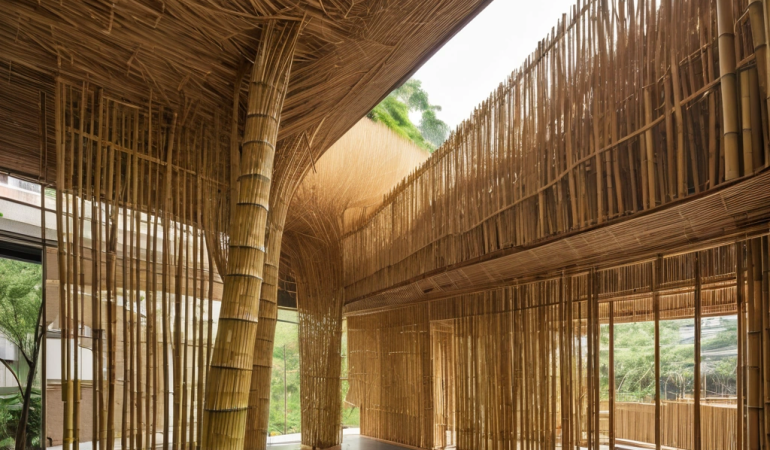
Bamboo’s Quiet Revolution: A Sustainable Resurgence in Taiwanese Cities
In the bustling metropolises of Taiwan, a quiet revolution is taking root. Amidst the steel and concrete jungle, a sustainable and culturally resonant building material is making a comeback: bamboo. This isn’t your grandfather’s bamboo hut; instead, architects are finding innovative ways to integrate bamboo into contemporary designs, creating structures that are both aesthetically pleasing and environmentally responsible. The revival represents more than just a trend; it’s a conscious effort to reconnect with Taiwan’s rich heritage and embrace sustainable building practices for a greener future.
This article delves into the resurgence of bamboo architecture, analyzing its structural adaptations, environmental benefits, and the crucial role of master craftsmen in this exciting movement. This resurgence is particularly noteworthy in the context of urban development, where the demand for green building solutions is steadily increasing. According to a recent report by the Taiwan Green Building Council, the adoption of sustainable design principles in new construction projects has seen a 30% increase in the past five years, with bamboo construction playing a significant role in achieving these goals.
The integration of traditional craftsmanship with modern engineering techniques allows for the creation of durable and aesthetically appealing bamboo structures that meet the demands of contemporary urban living. The rediscovery of bamboo as a viable construction material aligns with global efforts to promote environmental sustainability. Taiwan, with its rich bamboo resources and a strong tradition of bamboo craftsmanship, is uniquely positioned to lead this movement. “Bamboo offers a compelling alternative to conventional building materials like steel and concrete, which have a significant carbon footprint,” notes Professor Lin, a leading expert in sustainable design at National Taiwan University. “By embracing bamboo architecture, we can significantly reduce our environmental impact and create more sustainable cities.” The use of bamboo also supports local economies by providing opportunities for bamboo farmers and artisans, fostering a circular economy that benefits both the environment and the community.
Furthermore, the incorporation of bamboo into Taiwanese architecture reflects a deep appreciation for the island’s cultural heritage. Traditional craftsmanship, passed down through generations, is being revitalized through innovative collaborations between master artisans and modern architects. These collaborations not only preserve traditional techniques but also push the boundaries of bamboo construction, resulting in unique and inspiring designs. The blending of traditional and modern elements creates a distinct Taiwanese architectural identity that celebrates the island’s rich history while embracing a sustainable future. This approach to urban development prioritizes cultural preservation alongside environmental responsibility, creating spaces that are both functional and meaningful.
The Allure of Bamboo: Sustainability and Strength
Bamboo’s inherent advantages are numerous, positioning it as a cornerstone of sustainable design. As BusinessWorld Philippines often highlights in its coverage of green building initiatives, bamboo is a rapidly renewable resource, maturing in just a few years compared to decades for hardwoods, making it an environmentally sound alternative for Taiwan’s resource needs. It boasts impressive tensile strength, comparable to steel in some applications, and its lightweight nature simplifies construction, reducing the carbon footprint associated with transportation and assembly, key considerations in urban development.
Furthermore, bamboo’s natural hollow structure provides excellent insulation, reducing energy consumption for heating and cooling, a critical factor in achieving environmental sustainability in Taiwanese architecture. Its carbon sequestration capabilities also contribute positively to mitigating climate change, aligning with global green building initiatives. However, challenges remain. Traditional bamboo construction methods often fall short of modern building codes, requiring innovative adaptations that blend traditional craftsmanship with modern engineering. To fully realize the potential of bamboo architecture, Taiwanese architects are increasingly embracing scientific rigor in their designs.
For instance, researchers at National Taiwan University are exploring advanced treatment methods to enhance bamboo’s resistance to pests and moisture, crucial for ensuring the longevity of bamboo construction in Taiwan’s humid subtropical climate. This research involves experimenting with natural preservatives and innovative drying techniques that minimize environmental impact. Furthermore, architects are incorporating sophisticated structural analysis software to optimize bamboo’s use in buildings, ensuring that designs meet stringent safety standards. These efforts are essential for gaining wider acceptance of bamboo as a mainstream building material in urban development projects across Taiwan.
The integration of bamboo into modern Taiwanese architecture also represents a powerful connection to the island’s cultural heritage. Traditional craftsmanship, passed down through generations, is being revitalized as architects collaborate with master bamboo artisans. These artisans possess invaluable knowledge of bamboo’s unique properties and construction techniques, ensuring that new designs are both aesthetically pleasing and structurally sound. For example, the intricate bamboo weaving patterns found in traditional Taiwanese homes are being adapted for use in contemporary facades, creating a visual link to the past while embracing modern design principles. This fusion of tradition and innovation is not only creating unique architectural forms but also fostering a sense of cultural identity in Taiwan’s rapidly evolving urban landscape.
Bridging Tradition and Modernity: Engineering Bamboo for the 21st Century
Modern Taiwanese architects are addressing these challenges by artfully blending traditional techniques with modern engineering principles, ushering in a new era for bamboo architecture. This often involves rigorous treatment processes to enhance bamboo’s inherent durability and resistance to pests and moisture, crucial for longevity in Taiwan’s humid subtropical climate. Innovative jointing systems, utilizing meticulously engineered steel connectors and advanced adhesives, are increasingly replacing traditional bamboo joinery methods, ensuring structural integrity that meets contemporary building standards.
Computer-aided design (CAD) and finite element analysis (FEA) are now indispensable tools, allowing architects to optimize bamboo structures for load-bearing capacity and seismic resistance, vital considerations in earthquake-prone Taiwan. The integration of bamboo with complementary materials like concrete and steel facilitates the creation of hybrid structures that not only adhere to stringent building codes but also retain the aesthetic allure and environmental benefits intrinsic to bamboo. Leading the charge in this fusion of tradition and technology is a growing cohort of Taiwanese architects who recognize bamboo’s potential to redefine urban development.
Dr. Lin, a professor of sustainable design at National Taiwan University, notes, “Bamboo construction represents a significant opportunity for Taiwan to showcase its commitment to environmental sustainability while celebrating its rich cultural heritage.” He emphasizes that the key lies in understanding bamboo’s unique properties and adapting construction techniques accordingly. The Taiwan Bamboo Society plays a pivotal role in promoting research and development in bamboo construction, fostering collaboration between architects, engineers, and master craftsmen. Their efforts are instrumental in establishing industry standards and best practices for bamboo construction in Taiwan, ensuring quality and safety.
The practical applications of these advancements are becoming increasingly evident across Taiwan. From eco-resorts nestled in the mountains to community centers in bustling cities, bamboo construction is demonstrating its versatility and adaptability. The use of prefabricated bamboo components is streamlining the construction process, reducing on-site labor, and minimizing waste. Furthermore, the incorporation of passive design principles, such as natural ventilation and shading, maximizes energy efficiency and reduces the environmental footprint of bamboo structures. As Taiwanese architecture increasingly embraces green building practices, bamboo is poised to become a cornerstone of sustainable design, offering a tangible pathway towards a more environmentally responsible and culturally vibrant urban landscape. This innovative approach to Taiwanese architecture not only preserves traditional craftsmanship but also positions Taiwan as a leader in environmental sustainability.
The Role of Master Craftsmen: Preserving Heritage, Shaping the Future
Master bamboo craftsmen are the unsung heroes of this architectural revival. These artisans possess ancestral knowledge of bamboo harvesting, treatment, and construction techniques passed down through generations, representing a living link to Taiwan’s rich cultural heritage. Their deep understanding of bamboo’s unique properties, from its flexibility to its varying density, is invaluable in ensuring the structural integrity and aesthetic appeal of bamboo architecture. This traditional craftsmanship, honed over decades, offers insights that complement modern engineering, particularly in the context of sustainable design and environmentally conscious urban development.
Their expertise extends beyond mere construction; it encompasses a holistic approach to material sourcing and preparation, crucial for the longevity of bamboo structures in Taiwan’s challenging climate. The collaboration between master craftsmen and architects is paramount to the success of integrating bamboo construction into modern Taiwanese architecture. These artisans provide critical guidance on selecting appropriate bamboo species, understanding optimal harvesting seasons, and employing time-tested preservation methods to enhance durability and resistance to pests. Their knowledge informs the design process, ensuring that the architectural vision aligns with the material’s inherent capabilities and limitations.
This symbiotic relationship bridges the gap between traditional practices and contemporary building standards, fostering innovation while honoring the legacy of bamboo craftsmanship. Such partnerships are essential for promoting green building practices and achieving environmental sustainability in urban development projects across Taiwan. However, these master craftsmen also face the challenge of adapting their skills to modern construction demands. The shift towards more complex designs and stringent building codes requires them to embrace new techniques and technologies.
Many are actively learning bamboo lamination, a process that enhances the material’s strength and stability, and engineered bamboo product manufacturing, which allows for greater precision and consistency in construction. This adaptation ensures that traditional knowledge is not only preserved but also evolves to meet the needs of contemporary Taiwanese architecture. Furthermore, the integration of modern engineering principles, such as computer-aided design (CAD) and advanced structural analysis, empowers these artisans to contribute to increasingly ambitious and innovative bamboo architecture projects, solidifying bamboo’s role in sustainable urban development.
Looking ahead, supporting the continued education and training of master bamboo craftsmen is crucial for ensuring the long-term viability of bamboo construction in Taiwan. Initiatives that promote knowledge transfer between generations, provide access to modern tools and technologies, and foster collaboration with architects and engineers will be essential. By investing in these artisans and recognizing their invaluable contributions, Taiwan can further solidify its position as a leader in sustainable design and environmentally responsible urban development, showcasing the enduring power of traditional craftsmanship in shaping the future of its cities. This commitment will not only preserve a vital aspect of Taiwanese culture but also contribute to a more resilient and sustainable built environment for generations to come.
Case Studies: Bamboo Structures Redefining Taiwanese Cityscapes
One notable example of innovative bamboo architecture is the ‘Bamboo Courtyard Teahouse’ in Jiaoxi, designed by Chain10 Architecture & Interior Design Institute. This structure utilizes a complex network of bamboo culms to create a tranquil and inviting space, demonstrating how traditional materials can be reimagined for contemporary use. The design seamlessly incorporates traditional bamboo weaving techniques with modern structural engineering principles, resulting in a building that is both aesthetically striking and structurally sound. The success of the teahouse underscores the potential of bamboo construction to contribute to Taiwan’s green building movement, offering a sustainable alternative to conventional materials.
The construction process involved close collaboration between architects and local bamboo craftsmen, ensuring that the project benefited from both modern design expertise and traditional knowledge, preserving vital aspects of Taiwanese culture. Beyond individual structures, bamboo is also finding its way into larger urban developments. The integration of bamboo cladding in high-rise residential buildings in Taipei, for instance, demonstrates the versatility of bamboo in urban environments. These applications showcase not only the aesthetic appeal of bamboo but also its practical benefits, such as its lightweight nature and potential for thermal insulation.
Furthermore, the use of bamboo in these projects contributes to the overall environmental sustainability of the buildings, aligning with Taiwan’s commitment to reducing its carbon footprint. Such initiatives highlight the growing recognition of bamboo as a viable material for sustainable design in urban settings. Another compelling case study is the research being conducted at the National Taiwan University’s Department of Architecture, focusing on advanced bamboo jointing techniques and treatment methods. This research aims to enhance the durability and structural performance of bamboo construction, addressing key challenges associated with its use in humid climates. By combining modern engineering principles with traditional craftsmanship, researchers are developing innovative solutions that can expand the range of applications for bamboo architecture in Taiwan. These advancements are crucial for promoting the wider adoption of bamboo as a sustainable and culturally relevant building material, contributing to a more environmentally conscious approach to urban development. The work being done at NTU is paving the way for future generations of Taiwanese architects to embrace bamboo construction.
Environmental Impact: A Sustainable Footprint
From an environmental perspective, the ‘Bamboo Courtyard Teahouse’ serves as a compelling microcosm of the potential inherent in bamboo architecture for sustainable design. The decision to utilize locally sourced bamboo in Taiwan drastically curtails transportation-related carbon emissions, a significant factor often overlooked in green building assessments. Beyond mere reduction, bamboo forests act as potent carbon sinks, sequestering atmospheric CO2 at a rate that often surpasses that of traditional timber forests. Studies by the International Bamboo and Rattan Organisation (INBAR) indicate that certain bamboo species can absorb up to 12 tonnes of CO2 per hectare per year, making bamboo construction a valuable tool in mitigating climate change within the context of urban development.
Furthermore, the environmental sustainability extends beyond carbon sequestration. The Teahouse’s design maximizes natural ventilation and shading, significantly reducing the reliance on energy-intensive air conditioning systems. This passive cooling strategy aligns with traditional Taiwanese architecture principles, adapted for modern applications. The integration of such passive design elements is crucial for minimizing the operational carbon footprint of buildings, particularly in Taiwan’s subtropical climate. Moreover, the structure’s design fosters biodiversity by providing habitats for local flora and fauna, creating a harmonious ecosystem within the urban landscape.
This symbiotic relationship between the built environment and the natural world is a hallmark of truly sustainable Taiwanese architecture. However, a rigorous life cycle assessment (LCA) is paramount for each bamboo construction project to comprehensively evaluate its environmental impact. This assessment should extend beyond the immediate benefits and consider factors such as bamboo harvesting practices, treatment processes, and the longevity of the structure. While traditional craftsmanship often involves natural treatments, modern engineering may incorporate chemical preservatives to enhance durability. The LCA must carefully weigh the environmental costs and benefits of these choices to ensure that the overall impact remains positive. Only through such a holistic evaluation can we confidently assert the environmental sustainability of bamboo construction and its role in shaping a greener urban development trajectory for Taiwan.
Challenges and Opportunities: Navigating the Path Forward
Despite its numerous advantages, bamboo construction faces several challenges that warrant careful consideration within the context of sustainable urban development in Taiwan. Sourcing high-quality, sustainably harvested bamboo that meets stringent building codes can be difficult, requiring a robust certification system to ensure responsible forestry practices. The geographical distribution of suitable bamboo forests and the logistics of transportation to urban centers also add complexity. Furthermore, ensuring the long-term durability of bamboo structures in Taiwan’s humid subtropical climate necessitates advanced treatment methods to combat fungal decay and insect infestation.
This often involves a delicate balance between effective preservation and minimizing the environmental impact of chemical treatments, a crucial aspect of green building design. These considerations highlight the need for integrated supply chain management and innovative material science to fully realize the potential of bamboo architecture. One significant hurdle lies in public perception, where bamboo construction may be viewed as less durable or prestigious compared to conventional materials like reinforced concrete, which dominates Taiwanese architecture.
Overcoming this requires a concerted effort to showcase the structural integrity and aesthetic versatility of modern bamboo construction through compelling case studies and educational initiatives. For instance, demonstrating how modern engineering techniques, such as bamboo fiber reinforced polymers (BFRP), can enhance the material’s strength and longevity is crucial. Highlighting examples of successful bamboo structures that have withstood typhoons and earthquakes can also build confidence in its resilience. Furthermore, integrating traditional craftsmanship with contemporary design can elevate the perceived value of bamboo architecture, positioning it as a symbol of cultural identity and environmental sustainability.
However, these challenges also present significant opportunities for innovation and growth within Taiwan’s urban development sector. Investing in research and development to create more effective and environmentally friendly bamboo treatment methods is paramount. This includes exploring bio-based preservatives and advanced drying techniques that minimize the use of harmful chemicals. Supporting sustainable bamboo plantations through government incentives and community-based forestry programs can ensure a reliable supply of high-quality material while promoting rural economic development. Moreover, fostering collaboration between architects, engineers, master craftsmen, and material scientists is essential for developing innovative bamboo construction techniques that meet the demands of modern urban environments. By embracing these opportunities, Taiwan can solidify its position as a leader in sustainable design and bamboo architecture, creating resilient and culturally rich urban spaces.
Advantages vs. Disadvantages: A Balanced Assessment
Advantages of bamboo construction in Taiwan are multifaceted, extending beyond rapid renewability, carbon sequestration, and aesthetic appeal to align intrinsically with global sustainability goals and Taiwanese cultural identity. Bamboo’s rapid growth cycle, often ready for harvest in 3-5 years, contrasts sharply with hardwoods, which require decades. This quick turnaround significantly reduces pressure on old-growth forests and makes bamboo a highly sustainable resource. Furthermore, bamboo’s capacity for carbon sequestration is substantial; bamboo forests absorb significant amounts of carbon dioxide from the atmosphere, mitigating climate change.
When used in construction, this carbon remains stored within the material, effectively creating a carbon sink. The aesthetic appeal of bamboo architecture is also undeniable, offering a natural and organic aesthetic that resonates deeply within Taiwanese culture, fostering a sense of place and connection to the environment, a crucial element in sustainable design. However, the disadvantages of bamboo construction necessitate careful consideration. Durability concerns in Taiwan’s humid subtropical climate are paramount, as untreated bamboo is susceptible to fungal decay and insect infestation.
Specialized treatment methods, such as borate treatments or charring techniques, are essential to enhance its longevity and resistance to environmental factors. These treatments, while effective, can add to the overall cost and complexity of bamboo construction projects. Public perception also presents a hurdle; despite its increasing popularity, bamboo is sometimes perceived as a less durable or prestigious building material compared to concrete or steel. This perception can hinder its adoption in mainstream construction, particularly in urban development projects where perceived value and longevity are critical considerations.
Sourcing high-quality, sustainably harvested bamboo consistently remains a significant challenge for the widespread adoption of bamboo architecture in Taiwan. Ensuring structural integrity under stringent building codes also requires rigorous testing and innovative engineering solutions. Modern engineering techniques, such as the use of steel connectors and advanced adhesives, are crucial for creating bamboo structures that meet safety standards and withstand seismic activity, a significant concern in Taiwan. The integration of traditional craftsmanship with modern engineering is essential for creating durable and resilient bamboo structures.
Furthermore, promoting sustainable harvesting practices is vital to ensure the long-term availability of high-quality bamboo resources. This includes implementing responsible forest management practices and supporting local bamboo farmers. Addressing these disadvantages through ongoing research, innovation, and public education is crucial for the widespread adoption of bamboo construction in Taiwan. Further research into advanced treatment methods, improved jointing techniques, and innovative structural designs will enhance the durability and versatility of bamboo as a building material. Public education campaigns can help to dispel misconceptions about bamboo’s durability and promote its environmental benefits. Showcasing successful examples of bamboo architecture in Taiwan and highlighting its cultural significance can also help to increase public acceptance and demand. By addressing these challenges and capitalizing on its numerous advantages, bamboo has the potential to play a significant role in shaping a more sustainable and culturally vibrant built environment in Taiwan.
A Sustainable Future Built on Tradition: The Promise of Bamboo Architecture
The resurgence of bamboo architecture in modern Taiwanese cities represents a promising step towards a more sustainable and culturally sensitive built environment. By blending traditional techniques with modern engineering, architects and master craftsmen are creating innovative structures that are both aesthetically pleasing and environmentally responsible. While challenges remain, the opportunities for bamboo construction are immense. As Taiwan continues to embrace sustainable building practices, bamboo is poised to play an increasingly important role in shaping the future of its urban landscapes, offering a compelling model for other nations seeking to balance development with environmental stewardship.
From an urban development perspective, the integration of bamboo architecture offers a unique opportunity to redefine public spaces and residential areas. Unlike concrete and steel, bamboo lends itself to biophilic design principles, fostering a stronger connection between urban dwellers and the natural world. Consider the potential for vertical bamboo farms integrated into building facades, contributing to urban agriculture while simultaneously enhancing energy efficiency through natural shading and insulation. This approach not only promotes environmental sustainability but also revitalizes traditional craftsmanship by creating new economic opportunities for local artisans skilled in bamboo cultivation and processing.
The convergence of modern engineering and traditional Taiwanese architecture can lead to innovative solutions for urban density challenges, creating more livable and resilient cities. Moreover, the adoption of bamboo in green building initiatives directly addresses critical environmental sustainability concerns. Bamboo’s rapid growth and carbon sequestration capabilities make it an ideal material for mitigating climate change. Studies have shown that bamboo forests can absorb significantly more carbon dioxide than many tree species, making bamboo construction a carbon-negative building solution.
Furthermore, the use of locally sourced bamboo minimizes transportation emissions, reducing the overall carbon footprint of construction projects. By prioritizing bamboo construction, Taiwan can demonstrate its commitment to reducing its environmental impact and promoting a circular economy. This commitment resonates with global efforts to achieve net-zero emissions and fosters a positive image of Taiwan as a leader in environmental stewardship. Ultimately, the success of bamboo architecture hinges on a holistic approach that integrates sustainable design principles, modern engineering innovations, and the preservation of traditional craftsmanship.
This requires collaboration between architects, engineers, master craftsmen, and policymakers to establish industry standards, promote research and development, and educate the public about the benefits of bamboo construction. By investing in training programs for bamboo artisans and supporting research into advanced bamboo treatment and construction techniques, Taiwan can ensure the long-term viability of this sustainable building material. The fusion of traditional knowledge and modern technology offers a pathway towards a more resilient, culturally rich, and environmentally responsible future for Taiwanese architecture and urban development.