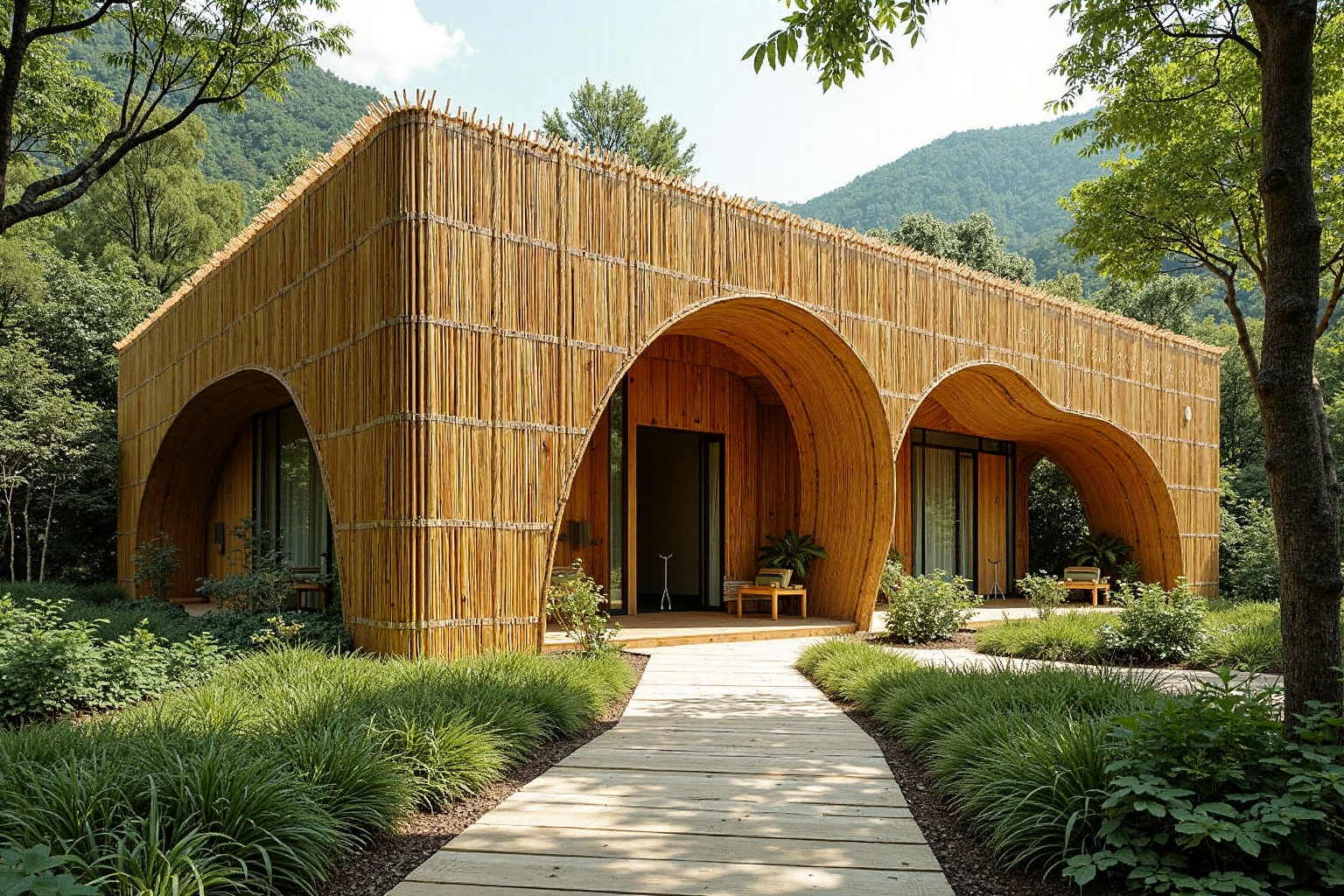
Bamboo Rises: A New Era for Taiwanese Architecture
Taiwan’s urban landscapes are undergoing a remarkable transformation, a fusion of ancient traditions and modern innovation, giving rise to a new era in Taiwanese architecture. Bamboo, a material deeply embedded in Taiwan’s cultural heritage, is at the heart of this renaissance. For generations, bamboo has been integral to Taiwanese life, used in everything from everyday objects to traditional housing. Now, its versatility and sustainability are being rediscovered by architects and designers, leading to its resurgence in contemporary urban development. This article delves into this remarkable revival, exploring how bamboo is being woven into the fabric of modern skylines, highlighting its sustainability, versatility, and the ingenuity of Taiwanese architects and craftsmen. The rapid growth and inherent strength of bamboo make it a naturally renewable and structurally sound building material, aligning perfectly with the principles of green building.
In a world increasingly focused on sustainable practices, bamboo offers a compelling alternative to conventional materials, reducing the environmental footprint of construction. Taiwan, known for its technological advancements and commitment to sustainable development, is at the forefront of this movement, embracing bamboo as a key element in its pursuit of greener urban spaces. From low-rise residential buildings to large-scale commercial projects, bamboo is proving its potential to create stunning and sustainable structures. Architects are exploring innovative construction techniques, such as bamboo lamination and composite materials, to maximize its strength and durability. The use of locally sourced bamboo minimizes transportation costs and emissions, further enhancing its sustainability. Moreover, the integration of traditional Taiwanese craftsmanship with modern design principles is preserving cultural heritage while pushing the boundaries of architectural innovation. This approach not only celebrates Taiwan’s rich history but also positions it as a global leader in sustainable building practices. The resurgence of bamboo architecture in Taiwan reflects a growing global trend towards bio-based construction. As cities grapple with the challenges of climate change and resource depletion, bamboo offers a promising solution. Its rapid renewability, combined with its structural integrity and aesthetic appeal, makes it an ideal material for creating resilient and beautiful urban environments. Examples of this innovative approach can be seen across Taiwan, from the intricate bamboo structures of Starry Dome at the Flora Expo in Taichung to the elegant bamboo facades of modern buildings in Taipei. These projects not only showcase the versatility of bamboo but also demonstrate its potential to transform urban spaces into sustainable and culturally rich environments. The growing interest in bamboo architecture has also spurred innovation in treatment and preservation techniques, ensuring its longevity and resistance to pests and weather. This ongoing research and development is further expanding the possibilities of bamboo construction, paving the way for even more ambitious and sustainable architectural projects in the future. By embracing bamboo, Taiwan is not only building a greener future but also preserving a vital part of its cultural heritage, demonstrating to the world the potential of this remarkable material to shape the skylines of tomorrow.
Engineering the Future: Bamboo's Structural Role
Bamboo, a material deeply woven into the cultural fabric of Taiwan, is experiencing a renaissance in the architectural landscape. Its inherent strength, flexibility, and remarkably rapid growth make it an ideal building material, perfectly suited to the island’s climate and seismic conditions. Modern structural engineering adaptations, such as lamination and innovative treatment methods against pests and weather, further enhance bamboo’s durability and safety for urban construction, aligning with Taiwan’s push for sustainable building practices. These advancements allow bamboo to rival conventional materials like steel and concrete in terms of structural integrity, paving the way for its use in larger-scale projects. Taiwanese architects are at the forefront of this movement, embracing bamboo’s potential to create stunning and functional urban spaces that reflect the island’s unique cultural identity.
Examples include the Starry Dome, a breathtaking bamboo structure built for the 2010 Taipei International Flora Exposition, and the stunning bamboo installations at the Flora Expo, which showcased the material’s versatility and aesthetic appeal. These projects highlight the innovative use of bamboo in modern architectural design, demonstrating its potential for creating iconic structures. Bamboo’s lightweight nature also makes it easier to transport and assemble, reducing construction time and costs. This advantage is particularly relevant in Taiwan’s densely populated urban areas, where efficient construction is essential. Furthermore, the use of locally sourced bamboo minimizes transportation emissions, contributing to greener urban development. This commitment to sustainability aligns with Taiwan’s broader environmental goals and positions bamboo as a key material for future construction projects. The cultural significance of bamboo in Taiwan adds another layer of meaning to its use in architecture. Traditional Taiwanese crafts often feature intricate bamboo weaving techniques, and this artistry is now being translated into innovative building designs. By incorporating these traditional techniques, architects are not only preserving cultural heritage but also showcasing the versatility and beauty of bamboo in contemporary architecture. This fusion of tradition and innovation is a defining characteristic of Taiwanese bamboo architecture. From intricately woven facades to soaring bamboo roofs, Taiwanese architects are pushing the boundaries of bamboo design. The Starry Dome, with its intricate latticework of laminated bamboo, stands as a testament to the material’s structural capabilities and aesthetic potential. These innovative designs demonstrate the potential of bamboo to create sustainable, culturally relevant, and visually stunning urban spaces, marking a new era for Taiwanese architecture. The growing awareness of bamboo’s sustainability and aesthetic appeal, coupled with ongoing research and development, is driving further exploration of its applications in construction. Taiwanese architects and craftsmen are leading the charge, developing new techniques and designs that showcase the material’s versatility and potential. This ongoing innovation ensures that bamboo will continue to play a vital role in shaping Taiwan’s urban future, creating a built environment that is both sustainable and culturally rich.
Growing Green: The Sustainability of Bamboo Construction
Bamboo’s role in construction reveals a deep commitment to sustainability, starting with thoughtful forest management and ending with modern processing methods. In Taiwan, this tradition meets innovation, offering a blueprint for eco-friendly building. Compared to materials that add significant carbon emissions, bamboo absorbs more CO2 during growth than it releases when processed. This natural trait makes it a strong candidate for green projects, especially in areas like Taiwan prioritizing eco-conscious growth. Using local bamboo cuts transportation emissions, lowering the carbon footprint of construction. It also ties the built environment to the landscape while boosting local economies.
Some bamboo species mature in just a few years, ensuring a steady supply unlike slower-growing timber. Advanced treatments, such as borate solutions, boost durability by warding off pests and decay. This extends bamboo’s lifespan, cutting replacement needs and waste. In contrast, traditional materials often demand energy-heavy manufacturing and create more waste during construction.
The mix of responsible sourcing, fast renewability, and smart treatment positions bamboo as a top sustainable choice. Taiwanese builders see its value beyond ecology—its beauty and flexibility make it adaptable for everything from tiny homes to public buildings. This shift isn’t just practical; it honors Taiwan’s craftsmanship heritage. Local artisans remain vital in processing and applying the material, preserving skills tied to its use.
As Taiwan pushes for sustainable cities, bamboo’s role will grow. It combines tradition and progress, proving eco-friendly building can be both functional and culturally meaningful. This approach isn’t just about reducing harm—it’s about creating spaces that reflect a region’s values and history.
Beyond the Traditional: Innovative Bamboo Designs
Taiwanese architects are pushing the boundaries of bamboo design, creating unique structures that showcase the material’s versatility and elevate it beyond traditional applications. From intricately woven bamboo facades that filter sunlight and create dynamic patterns to soaring bamboo roofs that redefine skylines, these architectural innovations demonstrate the potential of bamboo to create stunning and functional urban spaces. This innovative approach to bamboo construction embraces both its inherent qualities and the possibilities offered by modern engineering. The Starland International Hotel in Taichung, for example, features a striking bamboo facade designed by architect Arthur Zitek, showcasing the material’s ability to create complex, visually arresting structures. This project highlights the growing trend of integrating traditional Taiwanese building materials into modern architectural designs, reflecting a renewed appreciation for the cultural and environmental benefits of bamboo. Bamboo’s flexibility allows architects to experiment with organic forms and create unique building envelopes.
The rapid growth and renewability of bamboo make it an environmentally responsible choice for construction, aligning with Taiwan’s commitment to sustainable building practices. Moreover, using locally sourced bamboo reduces transportation emissions and supports local economies, reinforcing the importance of sustainable material sourcing. Several prominent Taiwanese architects are championing bamboo’s use in contemporary projects. For instance, the firm C.Y.
Still, lee & Partners has incorporated bamboo into numerous designs, demonstrating its versatility in both residential and commercial settings. Their work highlights the potential of bamboo to achieve structural integrity and aesthetic appeal in diverse architectural contexts, contributing to the growing body of knowledge on modern bamboo construction techniques. Beyond its structural applications, bamboo is also being explored as a sustainable alternative for interior design elements, furniture, and finishes.
Yet, this holistic approach to bamboo construction minimizes waste and maximizes the material’s potential throughout a building’s lifecycle. The integration of bamboo into urban projects often involves collaboration between architects, engineers, and bamboo craftsmen, fostering a cross-disciplinary approach that enriches the design process and promotes traditional craftsmanship. This collaborative spirit is driving innovation in bamboo treatment and construction techniques, ensuring that bamboo structures meet modern building codes and safety standards while preserving the material’s natural beauty and cultural significance.
These advancements in bamboo construction represent a vital step towards creating greener, more culturally relevant urban environments in Taiwan and beyond.
The Bamboo Masters: Shaping Taiwan's Urban Future
The resurgence of bamboo architecture in Taiwan is not solely a technological feat; it is also a testament to the vision and dedication of master craftsmen and architectural firms who are pushing the boundaries of what is possible with this versatile material. One such firm is the renowned Studio Arch, led by architect Lin Wei, who has pioneered the use of laminated bamboo in large-scale public projects. Their work on the National Bamboo Museum in Nantou showcases their innovative approach, employing complex bamboo joinery techniques to create a stunning, naturally lit structure that seamlessly blends with its surroundings. The museum not only serves as a cultural landmark but also as a living example of sustainable building practices, demonstrating the potential of bamboo as a primary structural material.
Studio Arch’s commitment to traditional bamboo construction methods, combined with modern engineering, has positioned them as a leader in the field of Taiwanese architecture innovation. Another notable figure is artisan Chen Li, a third-generation bamboo craftsman who has dedicated his life to preserving and adapting traditional bamboo weaving techniques. Chen Li’s mastery is evident in his intricate bamboo installations, which often adorn the interiors of contemporary buildings, adding a layer of cultural depth and artistic flair. His work extends beyond mere decoration; he also collaborates with architects to create functional bamboo elements, such as screens and partitions, that are both aesthetically pleasing and structurally sound. Chen Li’s dedication to preserving the heritage of bamboo craftsmanship while embracing modern design sensibilities is invaluable to the movement of sustainable building in Taiwan. Further contributing to this movement is the collaborative effort of the Bamboo Innovation Collective, a group of architects, engineers, and material scientists dedicated to advancing the science of bamboo construction. They are at the forefront of research into new bamboo treatment methods, focusing on enhancing its durability and resistance to pests and weather. Their work includes the development of innovative bamboo composite materials that can be used in a wider range of building applications. The Collective’s focus on research and development is crucial for overcoming the challenges associated with integrating bamboo into urban environments, ensuring that it can be a reliable and sustainable building material for years to come. These individuals and firms exemplify the spirit of innovation and cultural preservation that defines the modern bamboo movement in Taiwan. Through their unique approaches and unwavering commitment, they are not only shaping the future of Taiwanese architecture but also inspiring a global shift towards more sustainable and culturally relevant building practices. Their work serves as a bridge between the past and the future, demonstrating that traditional materials can play a vital role in creating modern, environmentally conscious structures. The impact of their work extends beyond individual projects, influencing building codes and public perception, paving the way for wider adoption of bamboo in urban developments across Taiwan. For a deeper dive into the enduring architecture of bamboo, explore Bamboo Dreams in Taitung, Taiwan.
Challenges and Opportunities: Bamboo in the Urban Context
Blending bamboo’s ancient techniques with Taiwan’s fast-growing cities isn’t just a trend—it’s a clash of old and new, where every challenge could become an opportunity if handled right. The problem starts with building codes, still written for steel and concrete. Bamboo doesn’t fit neatly into those rules. Its strength lies in flexibility, not rigidity, so architects and engineers spend years proving it can stand up to earthquakes, typhoons, and decades of wear. Rigorous testing isn’t just paperwork; it’s a battle to rewrite the playbook for what urban structures can be. Then there’s the material itself. Bamboo grows like weeds in Taiwan—plentiful, fast, and seemingly endless. But abundance isn’t the same as reliability. Harvesting it irresponsibly turns a renewable resource into a fleeting one. The best projects don’t just use bamboo; they cultivate it. Farms near Taipei now grow high-quality stalks for construction, ensuring a steady supply that can keep up with demand. Without this careful management, bamboo could become just another fad—elegant in theory, but brittle in practice. Public skepticism is the next hurdle. To some, bamboo in a skyscraper sounds like a gimmick. Others see it as weak, prone to sagging or rotting faster than concrete. The truth? Not anymore. Modern treatments—like borate soaks that repel termites and fungi—extend bamboo’s lifespan by decades. And techniques like lamination turn thin strips into beams that rival steel in strength. Yet even with these breakthroughs, misconceptions die hard. The key isn’t just proving bamboo works; it’s showing it matters—that it’s not just green, but smart. Government policies are finally catching up. Taiwan’s push for sustainable buildings, backed by tax breaks and stricter emissions rules, makes bamboo a no-brainer. Locally sourced, carbon-absorbing, and biodegradable, it checks every box. The result? Bamboo isn’t just in small houses or cultural pavilions anymore. It’s in modern apartments, commercial spaces, and even government offices. The shift isn’t just practical—it’s cultural. Bamboo isn’t just a material; it’s a symbol. For centuries, it’s been woven into Taiwan’s identity, from fishing nets to temple roofs. Now, it’s becoming the backbone of a new kind of city—one that honors its past while building toward the future. The real work happens at the intersection of hands and minds. Craftsmen who’ve spent lifetimes shaping bamboo now collaborate with engineers to push its limits. They’re not just building walls; they’re inventing entirely new ways to construct. Some projects use bamboo’s natural curves to absorb seismic energy. Others embed it with recycled plastics to boost durability. Every innovation chips away at the idea that tradition and modernity can’t coexist. The future of Taiwanese architecture won’t be written in steel alone. It’ll be in the way bamboo bends without breaking, in the way its roots run deeper than any foundation, and in the way it connects people to a history they can see, touch, and live in. The question isn’t whether bamboo belongs in the city—it’s how far it can go before anyone even notices it’s not concrete.
A Sustainable Legacy: Bamboo's Future in Taiwan
The resurgence of bamboo architecture in Taiwan represents a transformative fusion of cultural heritage and modern sustainability, aligning with a global shift toward eco-conscious urban development. As cities confront the environmental toll of conventional construction, Taiwan’s adoption of bamboo offers a compelling alternative—one that merges tradition with innovation. This material, celebrated for its rapid renewal and minimal ecological footprint, serves as a testament to how architectural ingenuity can harmonize with ecological responsibility. Taiwanese architects and craftsmen are redefining bamboo’s role, proving its adaptability in contemporary design while preserving its deep cultural significance. Beyond nostalgia, this revival reflects a deliberate effort to bridge ancient techniques with cutting-edge advancements, ensuring bamboo’s relevance in today’s fast-evolving urban landscapes.
Modern advancements in bamboo treatment and construction have expanded its structural possibilities, making it a viable choice for large-scale and high-impact projects. Innovations like laminated bamboo and engineered products enhance durability and strength, enabling its use in complex architectural forms—such as the Starry Dome in Taipei. This landmark project exemplifies bamboo’s potential to deliver both aesthetic brilliance and structural integrity, challenging preconceptions about its limitations. By demonstrating bamboo’s feasibility in prominent constructions, Taiwan is reshaping public perception, positioning it as a mainstream material capable of competing with traditional options like steel and concrete. Such projects not only showcase bamboo’s versatility but also underscore its potential to redefine urban design with sustainability at its core.
Taiwan’s commitment to sustainable building practices is further reinforced by bamboo’s alignment with green principles, from its rapid growth cycle to its low environmental impact during processing. The Starry Dome, for instance, embodies these values through local sourcing of bamboo, reducing carbon emissions from transportation and bolstering regional economies. This emphasis on sustainability extends beyond environmental benefits, as it also honors Taiwan’s architectural heritage by integrating traditional craftsmanship with modern techniques. Rather than merely replicating past designs, Taiwanese architects are reimagining bamboo’s role in contemporary spaces, pushing the boundaries of its structural and artistic potential. This approach fosters a deeper appreciation for the material’s natural beauty while paving the way for a more sustainable urban future.
The influence of Taiwan’s bamboo architecture is transcending national borders, inspiring global architects and designers to explore its possibilities. By leading the charge in sustainable urban development, Taiwan demonstrates that tradition and innovation can coexist to create environments that are both ecologically responsible and culturally rich. Its pioneering work with bamboo—from experimental construction techniques to high-profile projects—serves as a blueprint for how heritage materials can thrive in modern contexts. This legacy not only elevates bamboo’s status as a viable building material but also proves that thoughtful design can harmonize the past with the future, offering a greener, more resilient path forward for cities worldwide.